Get Handicap Ramp Repair
Handicap ramp repair services help property owners fix and improve wheelchair ramps, ensuring safety, accessibility, and compliance for homes and commercial buildings.
If you’re considering handicap ramp repair services, you’ve come to the right place. Property owners in the area often explore ramp repairs to improve accessibility, ensure safety, and maintain the functionality of their spaces. Whether addressing wear and tear or planning for future needs, understanding your options and finding reliable local contractors can make a significant difference in the success of your project.
Exploring local service providers allows you to compare the available options for handicap ramp repairs tailored to your property’s specific requirements. Many property owners find value in consulting experienced contractors who can assess the condition of existing ramps, recommend suitable solutions, and help plan for long-term accessibility. Keep reading to discover how connecting with trusted local experts can support your project goals.
- Handicap Ramp Repair - needed when existing ramps become damaged or unsafe for wheelchair users.
- Ramp Replacement - required if current ramps are outdated, unstable, or no longer meet accessibility standards.
- Ramp Modifications - necessary to adapt existing ramps for changing mobility needs or building code updates.
- Ramp Maintenance - essential for keeping handicap ramps in proper condition and preventing safety hazards.
- Custom Ramp Construction - sought when a tailored solution is needed to accommodate unique accessibility requirements.
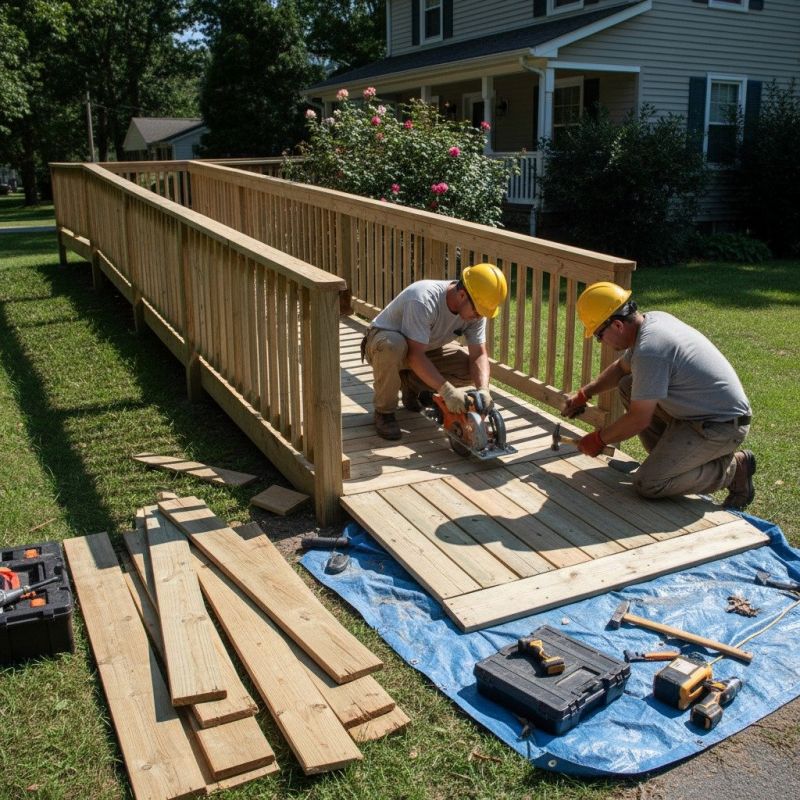
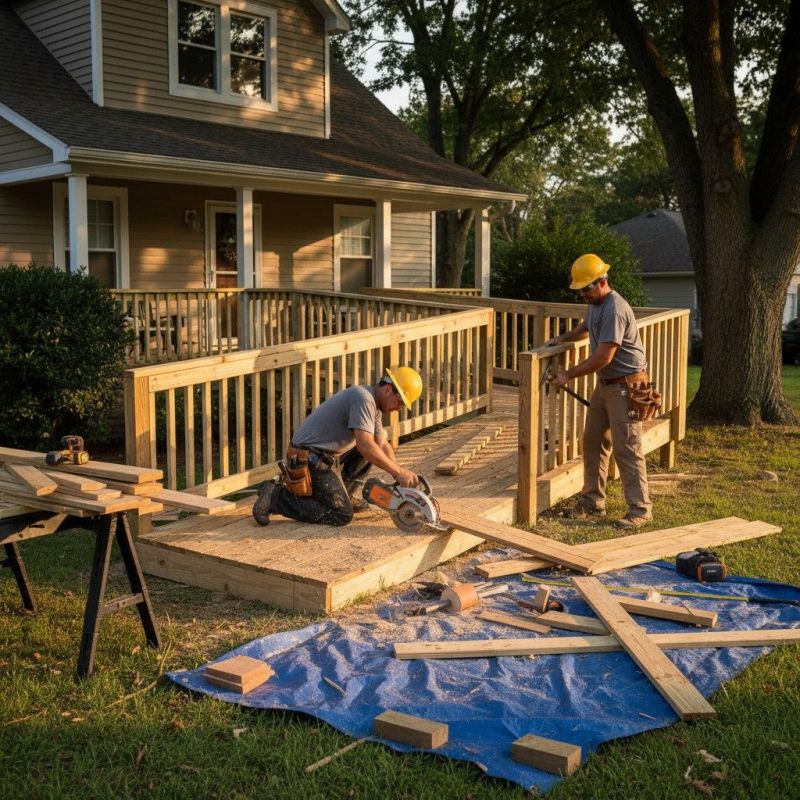
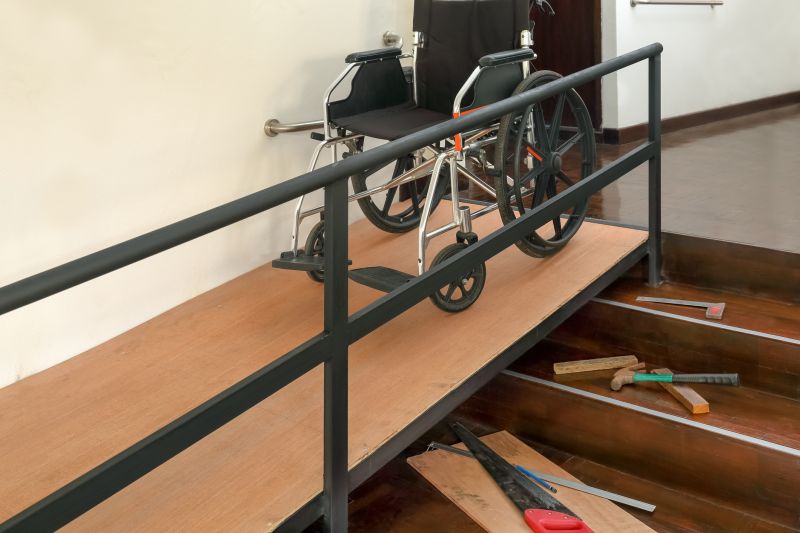
Handicap ramp repair services focus on restoring and maintaining the safety, stability, and accessibility of existing wheelchair ramps and mobility aids. Over time, ramps can develop issues such as loose or damaged boards, wobbly handrails, or uneven surfaces that pose safety risks. Skilled service providers evaluate the condition of the ramp, identify structural problems, and perform necessary repairs to ensure the ramp remains secure and functional. This service is essential for maintaining independence and ease of access for individuals with mobility challenges.
Many common problems that lead to the need for ramp repairs include rot or deterioration of wooden components, rust or corrosion in metal parts, and damage caused by weather or heavy use. These issues can cause the ramp to become unstable or unsafe, increasing the risk of falls or injuries. Repair services typically involve replacing damaged sections, tightening loose fittings, and restoring the ramp’s overall integrity. Timely repairs help prevent more extensive damage and extend the lifespan of the existing structure, ensuring continued safe access.
Handicap ramp repair services are applicable to a variety of property types, including private residences, apartment complexes, assisted living facilities, and commercial buildings. Homeowners may seek repairs to improve safety or accommodate changing needs, while property managers and business owners often require regular maintenance to comply with accessibility standards. Regardless of the property type, local contractors can assess the specific requirements and provide tailored solutions to keep ramps safe and functional for users with mobility challenges.
These repair services are a practical solution for anyone experiencing issues with their existing handicap ramps. Whether a ramp has become unsafe due to wear and tear or was improperly installed initially, professional repair work can address these problems efficiently. By working with experienced local service providers, property owners and managers can ensure that their ramps meet safety standards and remain accessible for those who rely on them daily. Regular maintenance and timely repairs help maintain the safety and convenience of accessible entryways for all users.
The overview below groups typical Handicap Ramp Repair projects into broad ranges so you can see how smaller, mid-sized, and larger jobs often compare in your area.
In many markets, a large share of routine jobs stays in the lower and middle ranges, while only a smaller percentage of projects moves into the highest bands when the work is more complex or site conditions are harder than average.
Smaller Repairs - Most routine ramp repairs, such as fixing minor cracks or surface issues, typically cost between $250 and $600. Many local contractors handle these common jobs within this range, making it a typical cost band for straightforward repairs.
Moderate Repairs - More extensive repairs that involve replacing sections or addressing structural concerns usually fall between $600 and $1,500. Projects in this range are common for moderate upgrades or repairs that require more materials and labor.
Full Replacement - Replacing an entire handicap ramp can cost from $2,000 to $5,000 or more, depending on size and materials. Larger, more complex projects tend to push into the higher end of this range, though many replacements are completed at the lower to mid-tier costs.
Custom or Complex Projects - Highly customized or intricate ramp installations, such as those requiring special materials or design features, can exceed $5,000. While less frequent, these projects are handled by local pros capable of managing specialized requirements.
Actual totals will depend on details like access to the work area, the scope of the project, and the materials selected, so use these as general starting points rather than exact figures.
Wheelchair Ramp Installation - contractors experienced in ramp installation can apply similar skills to building sturdy, accessible wheelchair ramps tailored to individual needs.
Concrete Sidewalk Repair - local service providers skilled in concrete work can handle repair and leveling of uneven or damaged sidewalks for improved accessibility.
Porch Lift Installation - professionals familiar with mechanical and structural planning can assist with installing lifts that provide alternative access solutions.
Exterior Staircase Renovation - contractors with carpentry and structural expertise can repair or modify outdoor stairs to meet accessibility standards.
Doorway Threshold Replacement - specialists in carpentry and flooring can replace or modify thresholds to ensure smooth, wheelchair-friendly transitions.
Handrail and Guardrail Installation - local pros skilled in metalwork and safety features can install supportive handrails and guardrails for improved safety and accessibility.
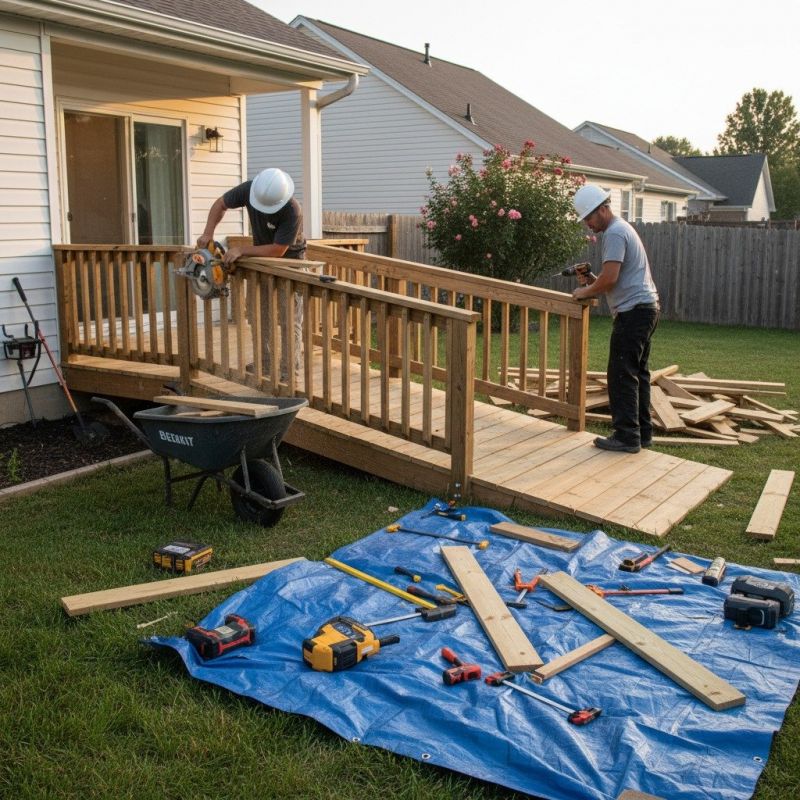
When selecting a contractor for handicap ramp repair, it is important to consider their experience with similar projects. A service provider who has handled various types of ramp repairs can demonstrate familiarity with different materials, structural requirements, and accessibility standards. This experience can help ensure the work is performed efficiently and meets the specific needs of the homeowner’s situation. Reviewing the types of projects a local contractor has completed can provide insight into their expertise and ability to handle the unique challenges that may arise during repair work.
Clear, written expectations are essential for a successful repair project. Homeowners should seek out service providers who can offer detailed descriptions of the scope of work, including the materials to be used, the estimated process, and any necessary preparations or follow-up. Having these expectations documented helps prevent misunderstandings and ensures that both parties are aligned on the project's goals. Transparent communication about what the repair entails can also facilitate smoother interactions and a more satisfactory overall experience.
Reputable references and good communication are key factors when comparing local contractors. Asking for references from previous clients allows homeowners to gain insight into the contractor’s reliability, quality of work, and professionalism. Additionally, a service provider who maintains open and responsive communication can better address questions, provide updates, and accommodate any specific preferences. While the site introduces homeowners to local options for handicap ramp repair, it is important to verify these qualities directly with the service providers to find a trusted partner capable of delivering quality results.
Property owners use Handicap Ramp Repair services for practical projects around their homes and businesses. This guide focuses on everyday jobs and straightforward project options.
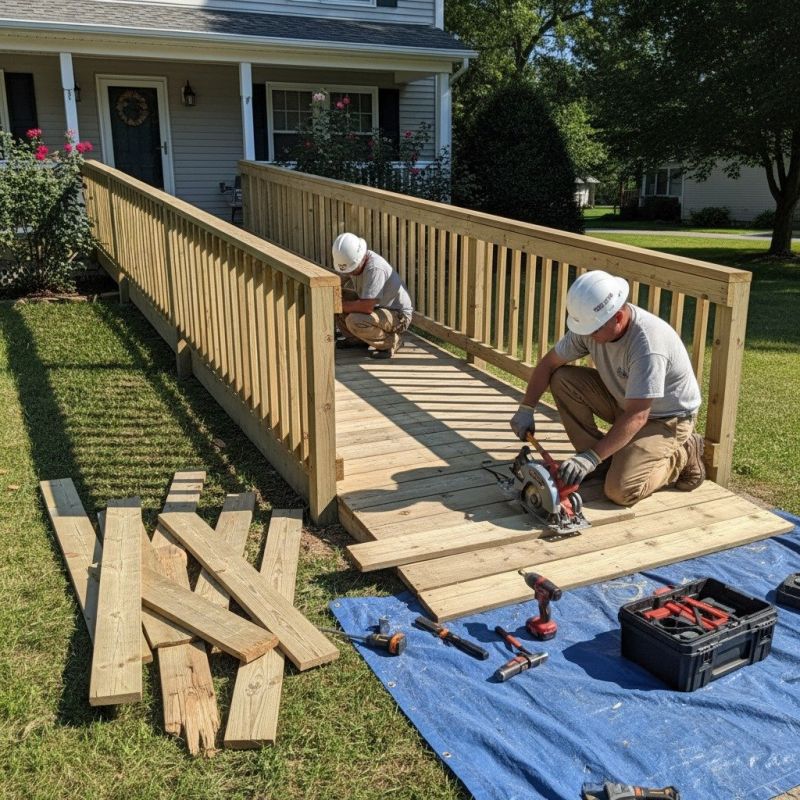
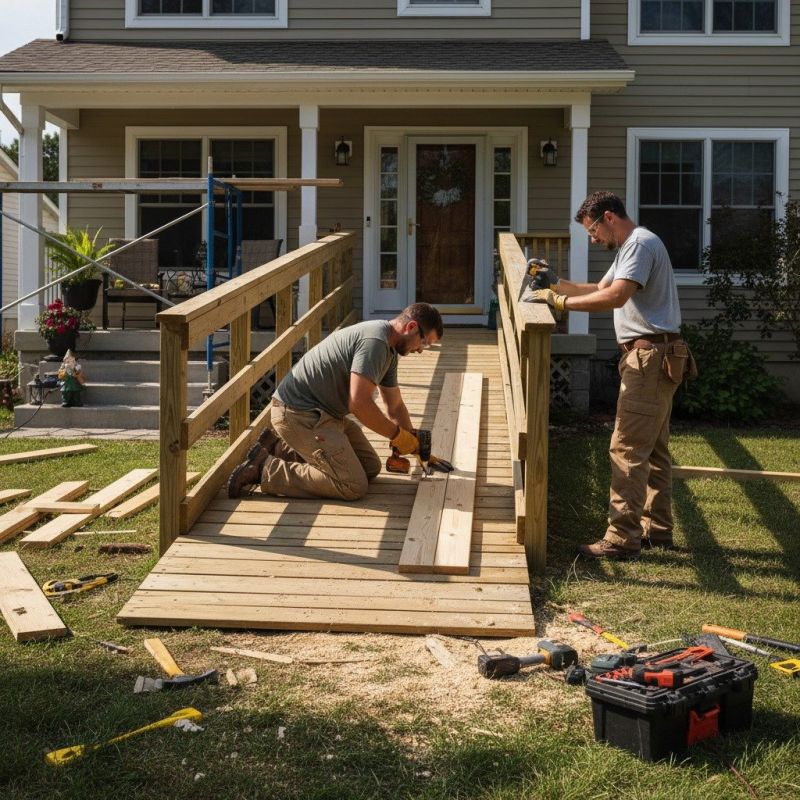
Handicap ramp repair services are often needed when property owners notice issues with existing ramps, such as structural damage, loose handrails, or uneven surfaces that can pose safety risks. These repairs are essential for maintaining accessibility and ensuring that individuals with mobility challenges can move around safely and comfortably. Local contractors who specialize in ramp repairs can assess the condition of existing installations and provide solutions to restore safety and functionality.
In many cases, property owners seek handicap ramp repairs after weather-related wear, accidents, or general aging cause deterioration. Whether it’s a commercial building, a residential home, or an outdoor space, ensuring that ramps remain secure and accessible is a common concern. Service providers in the area can handle a range of repair needs, from fixing minor damages to replacing entire sections, helping property owners maintain compliance and accessibility standards.
What types of handicap ramp repairs do local contractors handle? Local service providers can address a variety of repairs including fixing structural damage, replacing worn-out surfaces, and ensuring the ramp meets safety standards.
How can I tell if my handicap ramp needs repair? Signs include loose or unstable sections, visible cracks, surface deterioration, or difficulty in use, which can be assessed by local contractors during an inspection.
Are there common issues that lead to handicap ramp repairs? Common issues include weather-related damage, wear and tear over time, and accidental impacts that compromise the ramp’s stability or surface.
What materials are typically used in handicap ramp repairs? Local contractors often use durable materials such as aluminum, concrete, or treated wood to ensure long-lasting repairs and safety.
How do local service providers ensure the safety of repaired handicap ramps? They follow safety best practices by reinforcing structural integrity, using slip-resistant surfaces, and adhering to accessibility guidelines during repairs.
Residential Accessibility Improvements - Property owners can enhance safety and accessibility by repairing or installing handicap ramps to better accommodate mobility needs.
Home Renovation Projects - Upgrading existing ramps or adding new ones can support aging in place or improve access for visitors with mobility challenges.
Commercial Property Accessibility - Business owners might ensure their storefronts meet accessibility standards by maintaining or repairing handicap ramps.
Emergency Access Solutions - Properly maintained ramps can provide reliable access during emergencies, ensuring safety for all visitors and residents.
If you are thinking about Handicap Ramp Repair for a property, this guide is meant to help you understand the work, the typical project types, and how different options might fit your plans.
When you are ready, you can use the quote form on this page to share a few details about your project. From there, local pros can review the basics and respond with options that match what you have in mind.